


Parque Nacional de Meru
Kenia
-
The Land Of Elsa the Lioness
Meru National Park is arguably the most unspoiled and geographically diverse park in Kenya. Spanning over 870 square kilometers, it is a landscape defined by 13 permanent rivers that slice through red-earthed plains, doum palm forests, and dense tropical jungles. This park is the spiritual home of African conservation, famously being the place where George and Joy Adamson released Elsa the Lioness back into the wild.
-
What to expect
-
The Wildlife: Meru is home to the «Big Five.» It features a dedicated 44-square-kilometer Rhino Sanctuary, making it one of the best places in Kenya to see both Black and White rhinos.
-
The «Northern Specials»: Look for unique species like the Reticulated Giraffe, Grevy’s Zebra, Somali Ostrich, and the Lesser Kudu.
-
A Private Experience: Because Meru is less frequented than the southern parks, you will often enjoy sightings with no other vehicles in sight, offering a true sense of solitude.
-
-
Best time to visit
Meru National Park is a dynamic ecosystem that shifts beautifully throughout the year, offering unique rewards regardless of when you visit:
-
The Verdant Refresh: Following the rains, the 13 rivers swell and the park transforms into a lush, emerald paradise. This is the prime time for birdwatching as migratory species arrive, and the air is exceptionally clear, offering stunning views of the nearby Nyambene Hills.
-
The Predator Cycle: As the long grass turns to golden straw, the landscape opens up, providing incredible visibility for tracking big cats. Predators often congregate near the riverbanks, where life-and-death dramas unfold as herbivores come to drink.
-
The High-Contrast Season: During the dryer spells, the red volcanic soil contrasts sharply with the deep green of the riverine forests. This is a favorite time for photographers, as the wildlife is concentrated and easy to find along the permanent water sources.
-
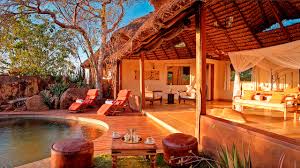
El Kopje de Elsa
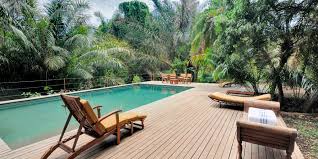
Campamento del Río Rinoceronte
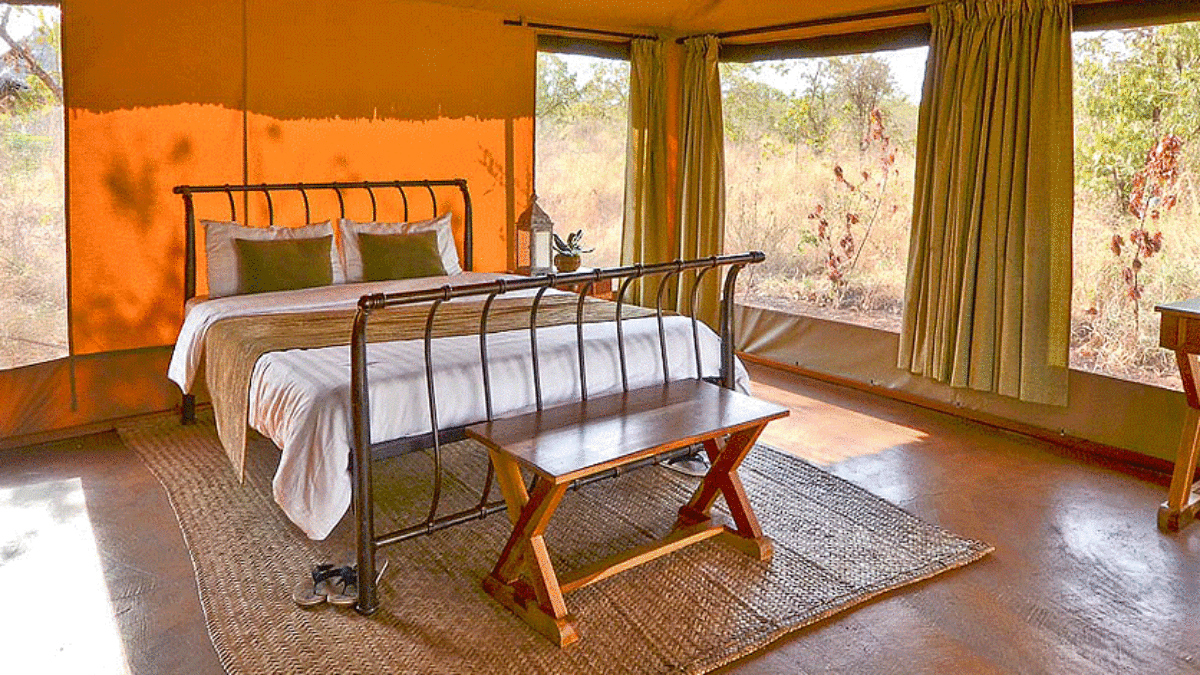
Campamento Safari Ikweta
Elsa's Kopje
Built into the Mughwango Hill, this award-winning lodge is situated on the site of George Adamson’s original camp. It offers 360-degree views of the plains and is the height of «unpretentious luxury.»
Rhino River Camp
Located on the edge of the Rhino Sanctuary, this camp features stylish tents on wooden decks overlooking the Kindani River. It offers a peaceful, forest-like atmosphere.
Ikweta Safari Camp
Known for its high-quality tents and great value, this camp is perfect for those who want a comfortable «bush» experience.
-
-
Rastreo del Santuario de Rinocerontes: Visita el santuario altamente protegido de 44 km². Debido al terreno del parque, a menudo se pueden obtener fotos increíbles y de corta distancia de estos gigantes en peligro de extinción.
-
La peregrinación «Nacidos libres«: Visita la tumba de Elsa la Leona y el lugar del campamento original de George Adamson para conectar con la historia que cambió para siempre la conservación global.
-
Safari fluviales: Explora las orillas de los ríos Tana y Rojewero. Observa a los hipopótamos revolcarse y a los enormes cocodrilos tomar el sol, y estate atento al esquivo búho pescador de Pel.
-
Adamson’s Falls: Haz una excursión guiada a estos rápidos espectaculares donde el río Tana se ve forzado a atravesar un estrecho canal de roca. Es un lugar muy potente para un picnic y la fotografía.
-
Expediciones de observación de aves: Con más de 400 especies, incluyendo el raro pie de aleta de Peter y varios martines pescadores, Meru es un destino de primer nivel para los amantes de las aves.
-
Atardeceres en los Kopjes: Termina tu día en lo alto de uno de los afloramientos rocosos del parque (Kopjes), viendo cómo el sol se pone sobre el vasto horizonte con una bebida fría en la mano, una experiencia característica de Mufasa.
-
Safarios nocturnos: (disponibles en alojamientos específicos) Descubre a los habitantes nocturnos de Meru, desde leopardos cazadores hasta el curioso caracal.
-