


Nyungwe National Park
Rwanda
-
Africa's ancient living jewel
One of the oldest and best-preserved montane rainforests in all of Africa. Spanning over 1,000 square kilometers, this UNESCO World Heritage site is a high-altitude wonderland that survived the last Ice Age, resulting in a staggering level of biodiversity. Nyungwe is a critical water catchment, supplying 70% of Rwanda’s freshwater and feeding the world’s two greatest rivers—the Nile and the Congo. From its deep, sun-starved valleys to its bamboo-covered peaks, Nyungwe is a world of emerald green where the air is cool, the ferns are giant, and the history is ancient.
-
What to expect
This is not a typical savanna safari; it is a trek through a dense, thriving ecosystem.
-
The Primate Capital: Expect to encounter a quarter of Africa’s primate species in a single forest. From our closest cousins, the Chimpanzees, to the massive, fluttering troops of Ruwenzori Black-and-White Colobus monkeys, the forest is alive with movement.
-
Aerial Perspectives: Expect to walk among the clouds on East Africa’s only Canopy Walkway, feeling the pulse of the forest from 70 meters above the ground.
-
Endemic Wonders: Expect to see wildlife found nowhere else on earth. With over 300 bird species and hundreds of endemic plants, every turn of the trail reveals a new rarity.
-
-
Seasonal Overview
Nyungwe’s tropical montane climate means it can rain at any time, but two distinct seasons offer unique advantages:
-
The Sun-Drenched Dry Season: This is the optimal time for hiking and canopy walks. The forest trails are firmer and less slippery, making the trek to see the chimpanzees more manageable. With clearer skies, you’ll enjoy sweeping views across the forest to Lake Kivu and the distant mountains of the DR Congo. This is the season for those who want to cover more ground and enjoy long, bright afternoons.
-
The Lush Wet Season: During the periods of high rainfall, the forest truly earns its “Rainforest” title. This is the best time for chimpanzee trekking, as food is abundant on the lower slopes, often making the chimps easier to locate. For birdwatchers, this is the pinnacle—migratory birds arrive, and the forest resonates with the calls of resident species in full plumage. The waterfalls are at their most thunderous, and the entire park is bathed in an intense, vibrant green that is a dream for photographers.
-
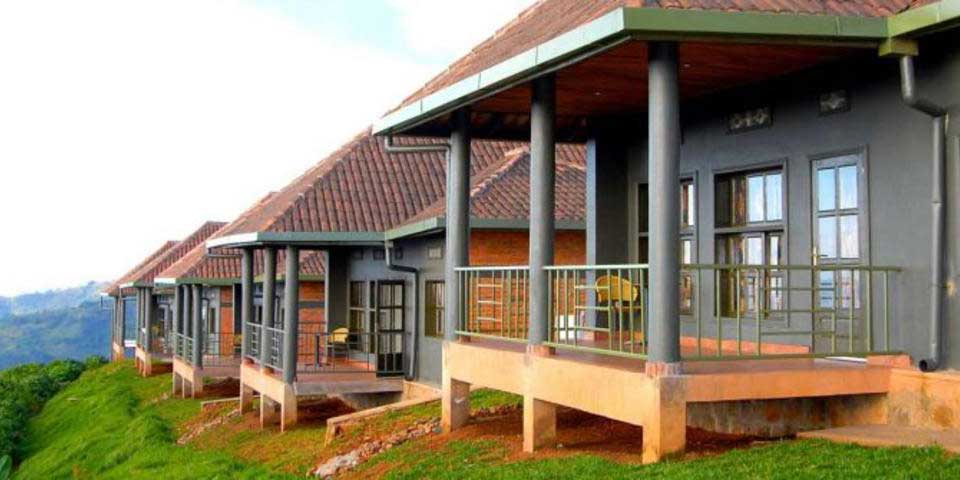
Nyungwe Top View Hill Hotel
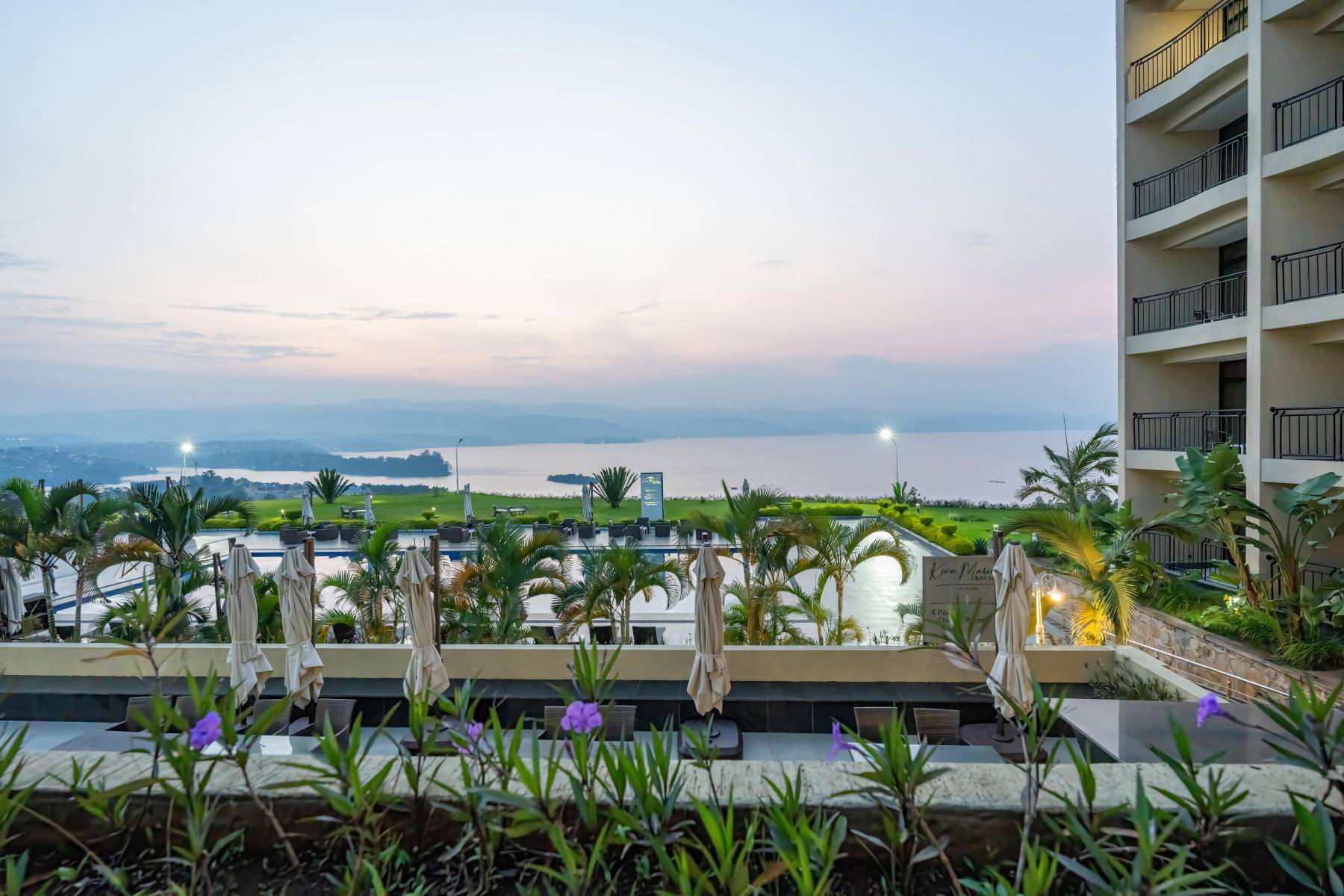
Mantis Kivu Marina Bay
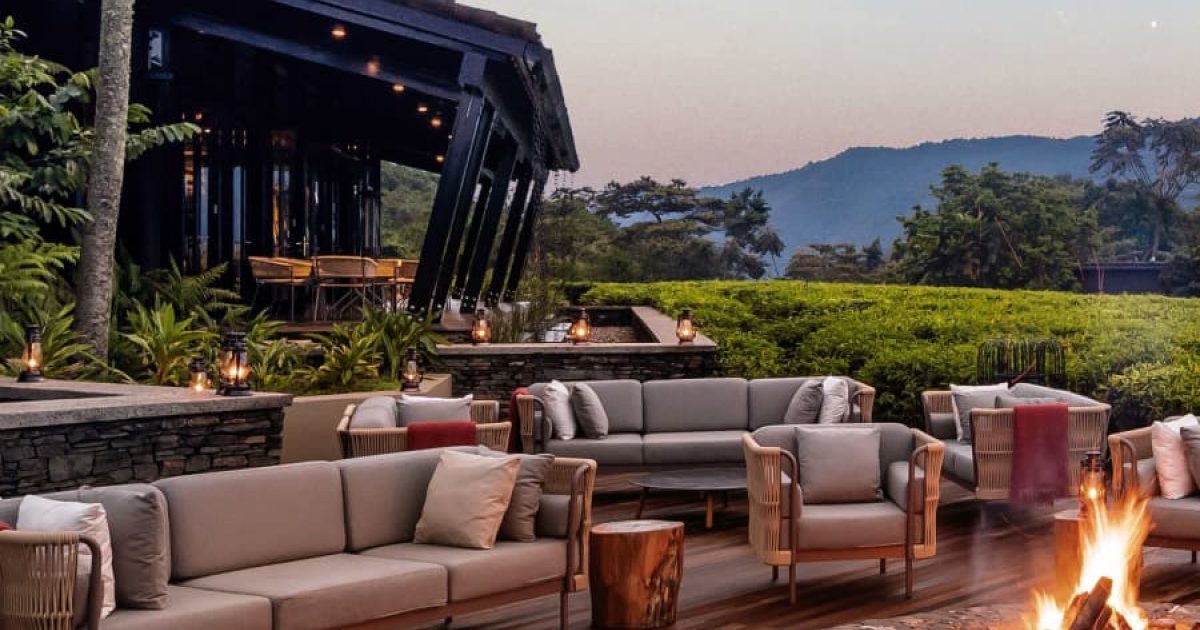
One & Only Nyungwe House
Nyungwe Top View Hill Hotel
Perched on a high ridge, this mid-range gem offers 360-degree views of the park, Lake Kivu, and the surrounding volcanoes.
Mantis Kivu Marina Bay
Located nearby on the shores of Lake Kivu, this is a perfect luxury base for those wanting to combine the forest with a lakeside retreat.
One&Only Nyungwe House
A pinnacle of five-star luxury, set on a working tea plantation at the forest’s edge, offering private decks with views directly into the canopy.
-
Adventure in every stratum
From the forest floor to the highest peaks, Nyungwe offers a wealth of exhilarating activities:
-
Chimpanzee Trekking: Track habituated chimp communities through the ancient trees for a life-changing encounter with our genetic relatives.
-
Canopy Walkway: Suspended 60 meters above the forest floor, this 160-meter-long bridge offers a bird’s-eye view of the orchids, birds, and monkeys that live in the treetops.
-
Colobus Monkey Tracking: Hike to see the world’s largest troop of black-and-white colobus monkeys—a breathtaking sight as hundreds of them leap through the canopy.
-
Isumo Waterfall Trail: A moderately challenging hike that takes you through tea plantations and deep forest to a stunning, hidden 17-meter waterfall.
-
Birdwatching : Search for the Great Blue Turaco and the Rwenzori Turaco with expert guides who know the calls of the 29 Albertine Rift endemics found here.
-
Gisakura Tea Estate : Learn the “crop to cup” process of Rwanda’s famous high-altitude tea while enjoying the scenic beauty of the plantations bordering the park.
-